
The Weekend Warrior
I'll be direct about what this is.
The Savant Alaunt is a purposely reconstructed working type — not a novelty, not a status symbol, and not a dog for everyone. It is built from historically accurate functional requirements, evaluated against real quarry under real conditions, and placed selectively in homes capable of meeting it correctly. Most of those homes do not look like a farm.
They look like yours. A job, a family, a truck, a lease forty minutes outside the city. One or two mornings a week in season, if the schedule allows. A neighborhood where coyotes are getting bolder. A property with a feral hog problem that a single specialist dog cannot adequately address. A life that moves between two worlds — and a dog requirement that follows.
This article is for that person. Not the hobbyist. Not the aesthetics buyer. The working enthusiast who lives in the middle ground between a full-time rural operation and suburban normalcy — and who has been told, repeatedly, that the dog they actually need does not exist.
It does. It has existed for centuries. It was simply abandoned.
The Problem with specialist breeding
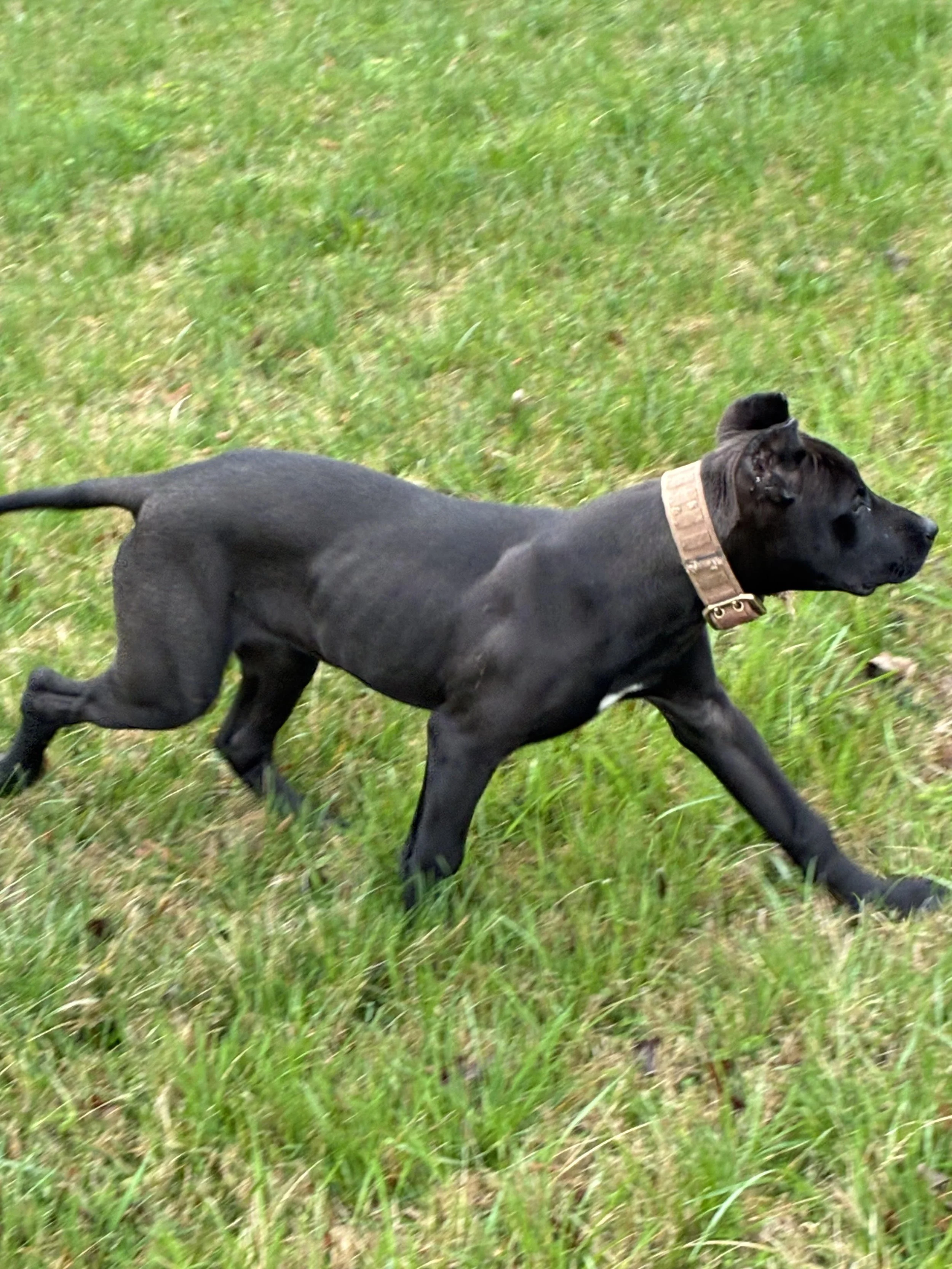
Savant’s Stack - F2 Alaunt
The working dog landscape in this country is organized around specialization. You acquire a bay dog for one purpose, a catch dog for another, a protection dog for a third. Each is optimized for a narrow function and increasingly has become unsuitable for anything outside it. The hound that trees is not the dog that holds. The bite dog that performs in a trial does not transition seamlessly into a suburban household on Monday morning. The livestock guardian that covers forty acres is not the animal that loads quietly in a truck and hunts fragmented terrain on a Saturday.
This is not a failure of individual breeding programs. It is the logical result of over a century of specialization — a process accelerated by the show ring, which rewarded uniformity of appearance over breadth of function, and by a working dog culture that grew comfortable assigning each task to a separate animal.
The pre-industrial working mastiff was not built this way.
The historical Alaunt — specifically the Alaunt Veauntre, the running mastiff type documented in sources as early as Gaston de Foix's 1410 Livre de Chasse — was a single animal that coursed, caught, held, and guarded. It was fast enough to close distance on open ground, heavy enough to anchor large quarry, and stable enough to live as a domestic companion. It did not require a specialist to supplement it. It was the specialist. The generalist. The only dog on the property that needed to be there.
The Savant Alaunt is that type, rebuilt deliberately from capable working stock.
What this type requires
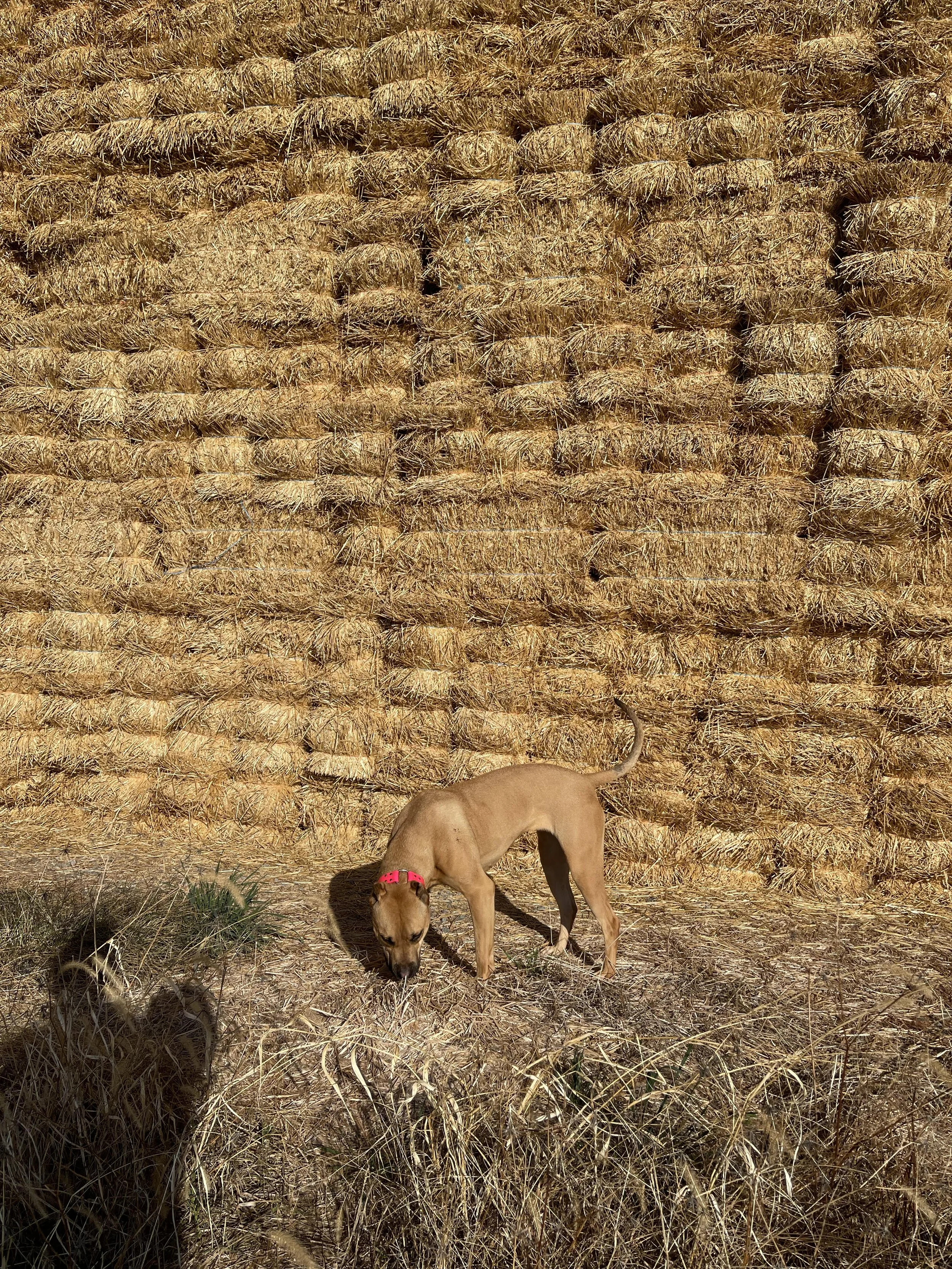
Savant’s Uzi - F1 Alaunt
Understanding why this dog works for the weekend warrior requires understanding what it is structurally and behaviorally — not as marketing, but as functional description.
At 27 to 29 inches and 90 to 110 pounds, the Savant Alaunt occupies a specific and intentional size range. It is not a large dog in the way a mastiff is large — heavy, slow, unsuited to sustained pursuit. It is not a medium dog in the way a bulldog cross is medium — powerful in engagement but limited by endurance and stride. It is a running dog with mass. The distinction matters in practice.
Sighthound influence provides the predatory framework: visual acuity, stride efficiency, and the capacity to pursue across terrain that heavier dogs cannot cover. In field application this expresses as the ability to locate, track, and close on moving quarry — whether that is a coyote cutting across open ground, a fox using terrain and evasion, or a hog pushing through thick cover.
Bulldog influence contributes the mental architecture that pursuit alone cannot provide: gameness, resolve under pressure, and the commitment to engage and hold when the quarry stops running. A dog that pursues but does not commit is functionally incomplete. The bulldog influence is what ensures the engagement is finished — not prolonged, not hesitant, but resolved.
Mastiff influence provides the physical mass and subcutaneous density that allows a dog to absorb impact in close-quarters engagement and remain functional. It also provides the civil aggression and territorial awareness that makes this animal genuinely useful as a property guardian — not performance-trained protection, but the instinctive wariness of a dog that reads its environment with intent and acts accordingly.
These three components are not independently impressive. They are impressive in combination because each addresses a functional limitation of the others. Mass without mobility fails in pursuit. Drive without mass fails in close engagement. Speed without resolve fails at the moment of contact. The running mastiff type exists precisely because all three requirements converge in working application — and historically, the only way to meet them was to build one dog that carried all three.
The Dual Life: What this dog looks like in practice
Monday through Friday: This is the question the suburban working home asks first, and correctly: can this dog live here?
The answer is yes — with the qualifications that any serious working dog demands.
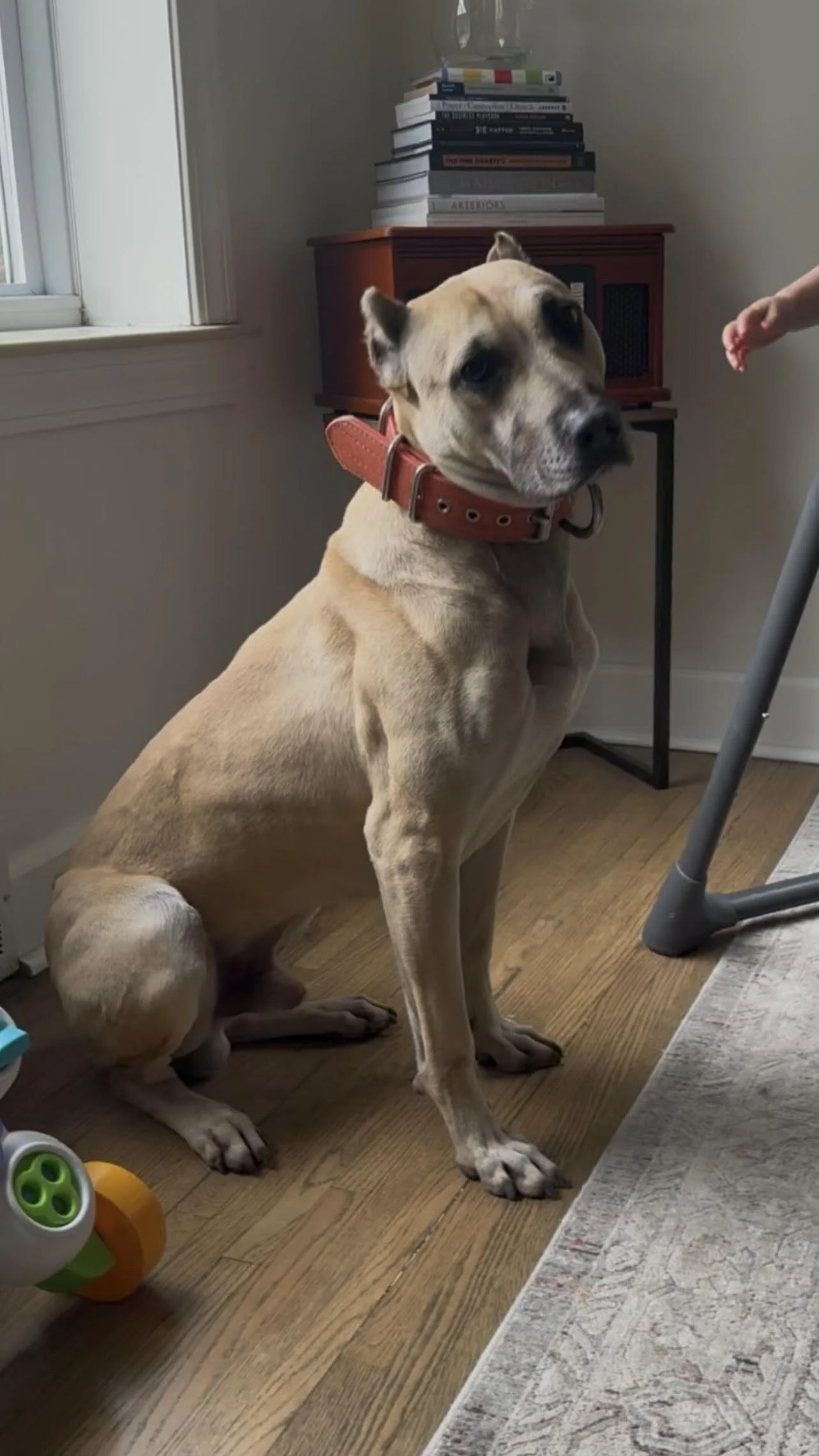
Savant’s Gus - F1 Alaunt
The Savant Alaunt is not a high-strung animal. The mastiff and bulldog contributions to its temperament bring what the working dog community has long called a "yes sir" quality — a biddability and handler-orientation that is absent in purely drive-forward breeds. The sighthound contribution, counterintuitively, brings a capacity for genuine rest. Sighthounds are not high-frequency dogs. Between periods of work they are among the most settled animals in the working world. That quality expresses in the Alaunt as a dog that can decompress fully when the context permits it — not a dog that must be exhausted into compliance, but one that genuinely shifts registers when the task is done.
These dogs are crate-trainable, obedience-responsive, and capable of navigating public environments without degradation of temperament. They know their family. They tolerate appropriate social exposure. They read strangers the way a correctly developed working dog should — with measured attention rather than reactive alarm — and they carry enough civil awareness to make the property they live on genuinely more secure without becoming a liability at the front door.
That said: they require real exercise. A walk around the block is not sufficient. An hour of purposeful physical and mental engagement — structured movement, obedience work, a loaded fetch session, time on property — keeps this animal correctly calibrated. Neglect does not produce a manageable version of this dog. It produces a frustrated one. The suburban working home that can provide consistent outlet will find these dogs straightforward to manage. The home that cannot should not be keeping an animal of this type regardless of breed.
Socialization during the first eighteen months is not optional. Civil aggression and territorial awareness are not trained into this type — they are bred into it. The handler's job during early development is not to produce those qualities but to ensure they are correctly directed: applied with intent, capable of switching off, and under handler authority when the context demands it. That foundation is established through consistent exposure, structured leadership, and the kind of daily engagement that serious working dog owners understand as part of the contract.
Get that foundation right and the dog that emerges is the most capable and settled animal on the property. Get it wrong and you have a large, civil, high-drive animal without the behavioral architecture to live safely in a human environment. There is no middle ground, and this program places accordingly.
Saturday
The transition from house dog to working dog in this type is not a behavioral shift that requires management. It is a gear change. The same animal that was settled on the couch the night before reads the terrain differently when the context changes. The prey drive that was sitting idle during the week engages cleanly when the environment calls for it. This is what correctly developed civil and prey drive looks like in a dog with appropriate temperament: contextual, controlled, and immediately available.
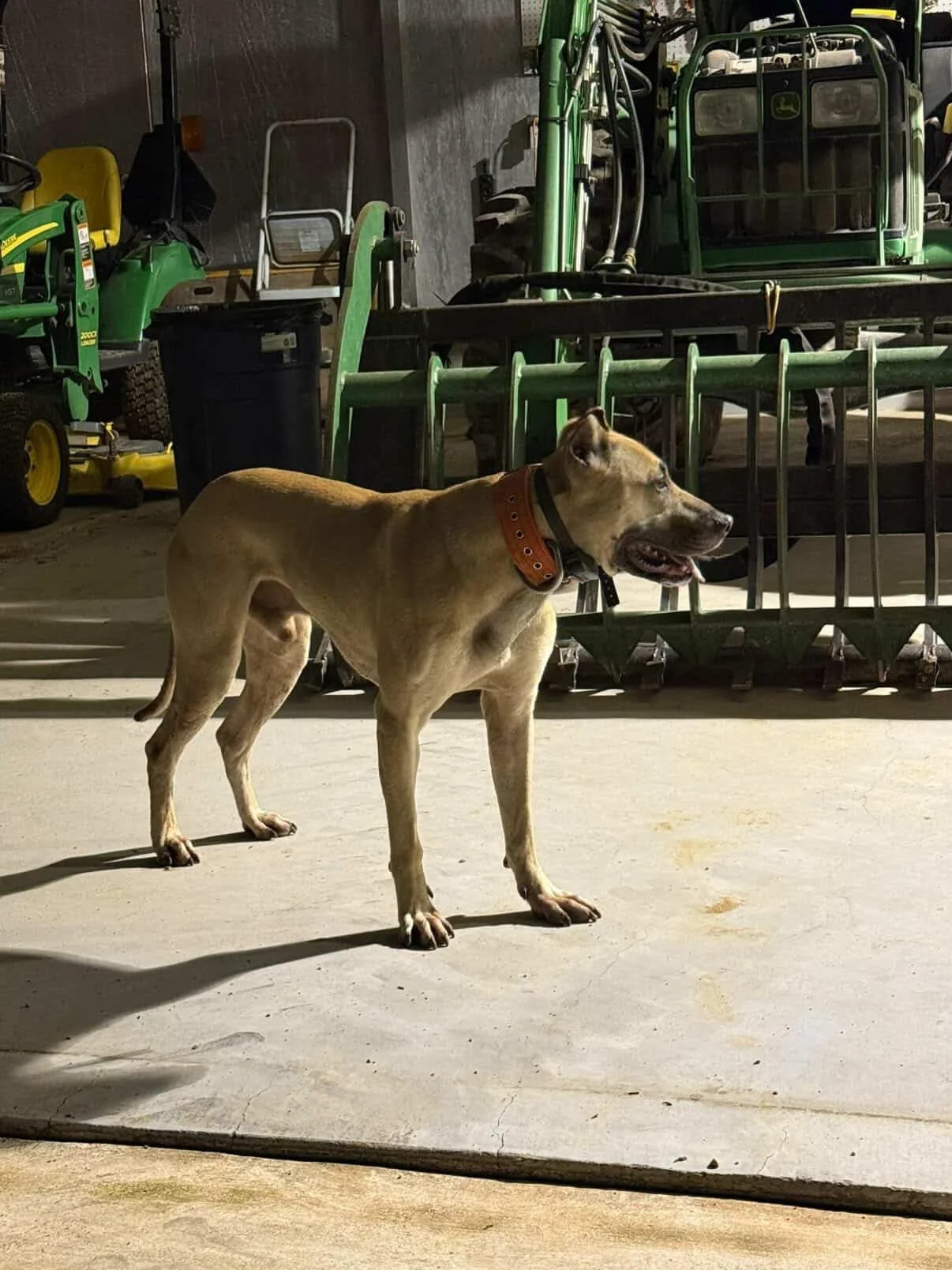
Savant’s Gus - F1 Alaunt
In field application, the Savant Alaunt is developed and evaluated as a running catch dog — the specific historical function of the Alaunt Veauntre. This is not a bay dog that locates and holds at distance for a separate catch dog to secure. It is the dog that closes, engages, and holds. The running dog and the catch dog in one body. It does not require a specialist to supplement it. It is the functional unit.
On vermin quarry — fox, raccoon, coyote, groundhog — the sighthound framework shows clearly. Visual tracking, efficient pursuit, and adaptive response to evasion are the skills that small, fast quarry demand. These are skills the Alaunt carries in its predatory architecture, not behaviors that must be extensively shaped.
On hog, the combined contributions of all three genetic influences become most apparent. The sighthound closes the distance. The bulldog commits to engagement and holds. The mastiff provides the physical density to absorb resistance and maintain control until the hunter arrives. No single specialist dog does all three. This type was built to.
When the work is done, the dog loads back in the truck. By the time you are home, the gear has shifted back. There is no extended decompression required. No behavioral residue that makes the evening difficult. The same dog, a different register — exactly what the dual-life working home requires.
What this dog is not
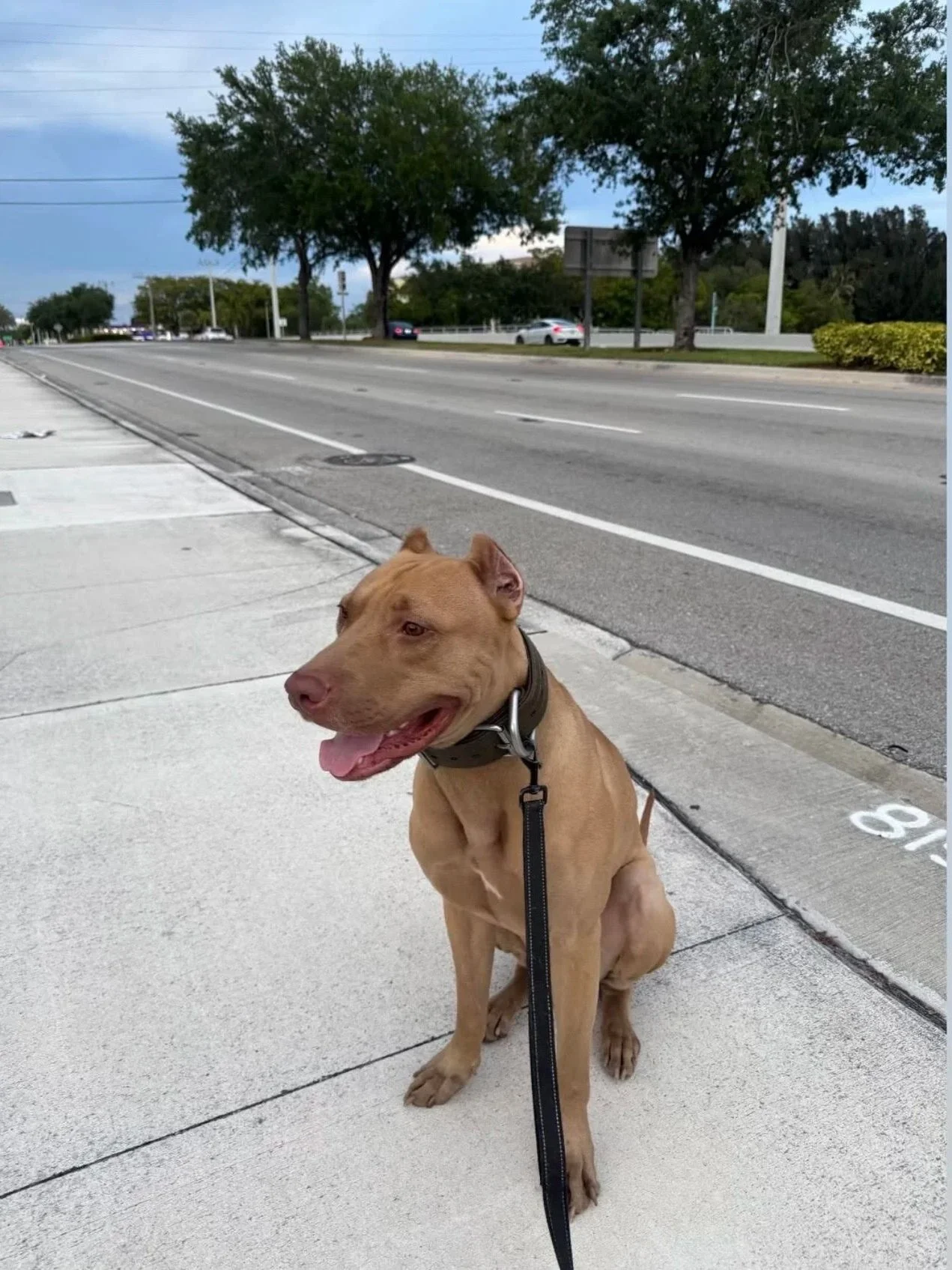
Savant’s Simba - F1 Alaunt
Clarity on this point is as important as the affirmative case.
This is not a dog that matures quickly. Full physical and behavioral development in this type takes three years, in some individuals longer. The first eighteen months involve a maturation curve that rewards patient, structured development and punishes neglect or mismanagement. Buyers who want an impressive, functional animal at twelve months should look elsewhere. Buyers who understand that the dog they are developing at twelve months is the foundation for the animal they will have at thirty-six will find the investment straightforward.
This is not a dog for passive ownership. The qualities that make it genuinely useful — civil aggression, territorial awareness, physical capability, prey drive — are not traits that can be ignored or managed by avoidance. They must be understood, directed, and developed under handler authority. The right owner finds this interesting. The wrong owner finds it unmanageable. This program does not place into the latter.
This is not a dog whose capabilities exist independently of the handler who develops them. These animals are responsive to leadership and responsive to its absence. The ceiling of what this type can do is high. The floor, in the wrong context, is a real liability. That gap is closed by the quality of the human relationship, not by the dog's temperament alone.
This is not a dog for someone whose primary interest is appearance. The type is visually striking — a consequence of functional breeding, not its purpose. Buyers motivated primarily by aesthetics consistently produce the worst outcomes in dogs of this capability. The physical expression is a byproduct. The working architecture is the product.
The Practical Reality
The economic argument for a genuinely versatile working dog is rarely made explicitly, but it is real.
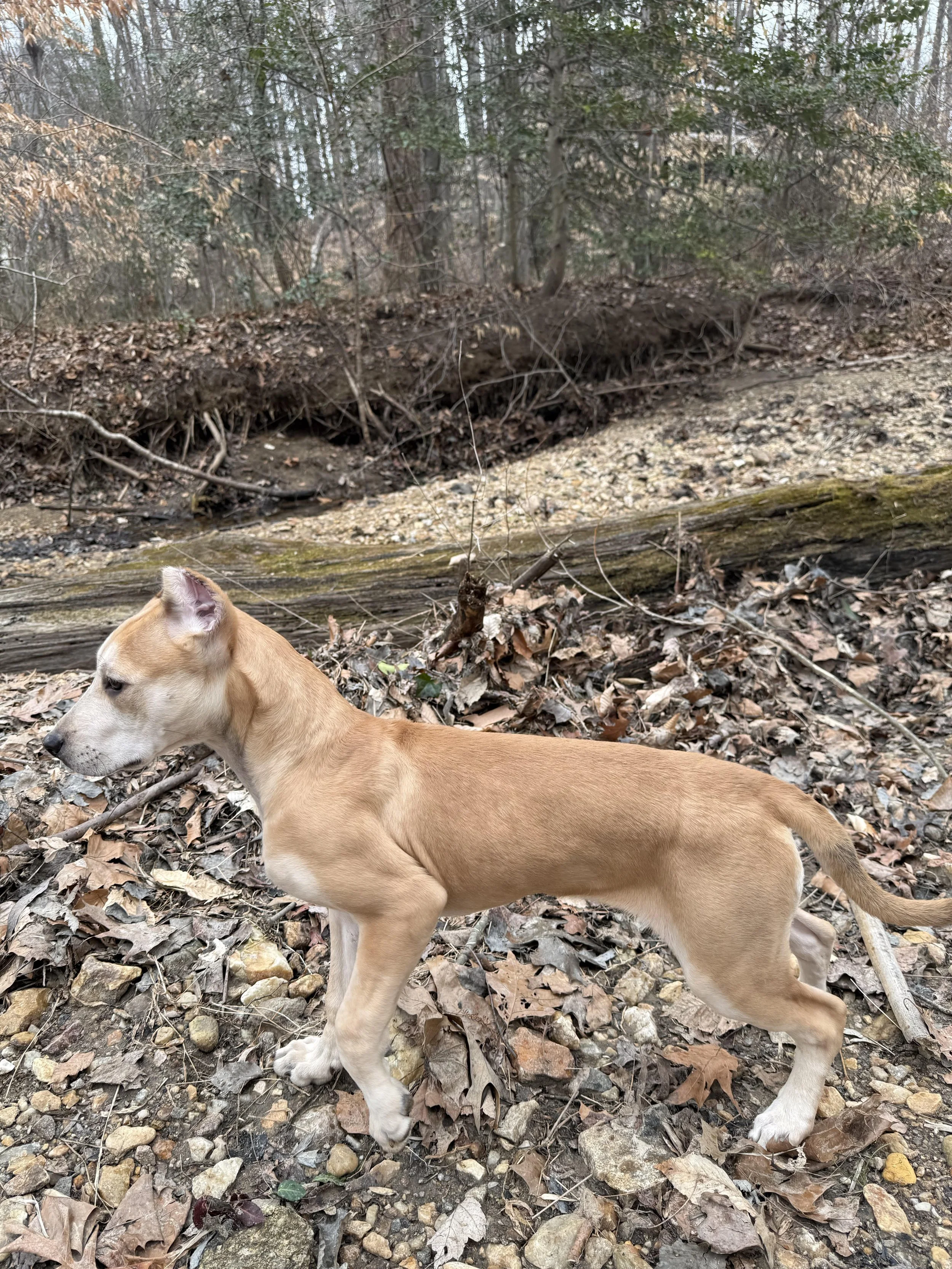
Savant’s Cinder - F2 Alaunt
The suburban working home that requires a capable hog dog, a property deterrent, and a dual-life family companion is currently solving that requirement with multiple animals, multiple care relationships, and multiple management demands — or settling for a specialist that covers one function at the expense of the others.
The Savant Alaunt is one animal, one diet, one veterinary relationship, one training investment, one human-animal dynamic. It does not require a specialist to supplement it in field application or a separate animal to provide the civil presence at home. It is the consolidated solution to a fragmented problem — and for the working home that understands what that means, it represents a more complete answer than anything the specialist market currently offers.
Health testing is comprehensive. Every animal in the program is Embark-tested for genetic health markers including PRA, copper metabolism variants, and degenerative conditions. Hip and elbow evaluation is standard for breeding stock. Annual bloodwork is maintained across the working kennel. These are not extraordinary costs in the context of a working dog program that takes its animals seriously. They are the baseline.
Buyers receive lifetime breeder support. The relationship does not end at placement. Questions about development, management, socialization, training, and field application are part of the ongoing support structure for every placed animal. For the buyer who is new to this specific type — competent with working dogs broadly but unfamiliar with the Alaunt's specific development requirements — that support is material.
Who This Dog Is For
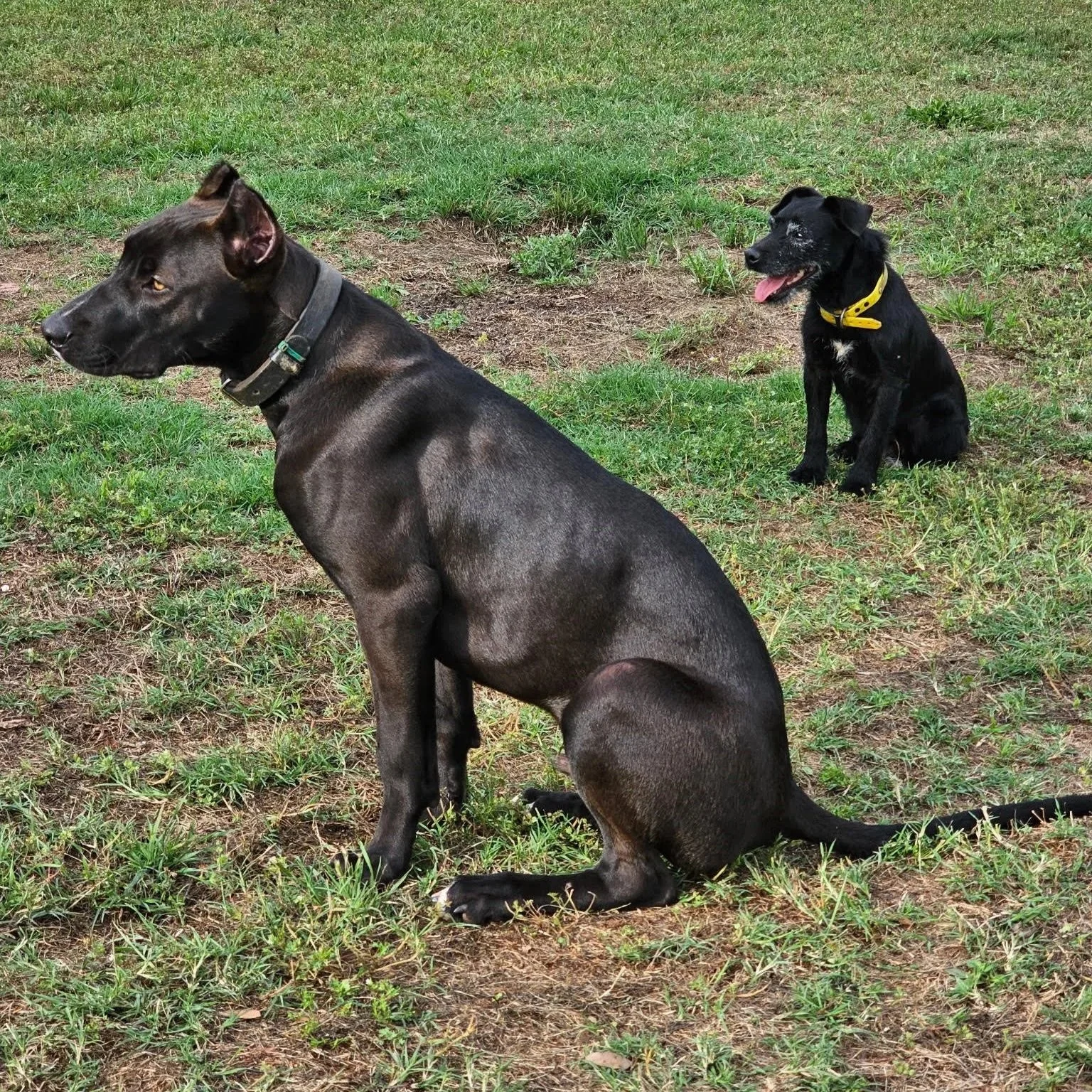
Savant’s Smoke - F2 Alaunt
The weekend warrior who hunts hard when the schedule allows and manages a normal life the rest of the week. The property owner whose land requires a dog that deters genuinely and acts purposefully when necessary. The active household with older children, consistent outdoor engagement, and a handler who has owned working dogs and understands the responsibilities that accompany serious capability.
The person who has been piecing together multiple dogs to cover a functional requirement that one correctly built animal should meet — and who is tired of the compromise.
The enthusiast who wants something different not because different is interesting, but because different is accurate. Because the working dog the modern market produces is not the working dog that history produced. Because the running mastiff — the dog that coursed, caught, guarded, and came home — was abandoned when it should have been preserved. And because the question of whether it can be rebuilt, correctly, from working stock that still carries its component qualities, is one worth answering.
That is what this program is attempting to answer. Generation by generation, quarry by quarry, evaluation by evaluation.
The Savant Alaunt is the current state of that answer.